
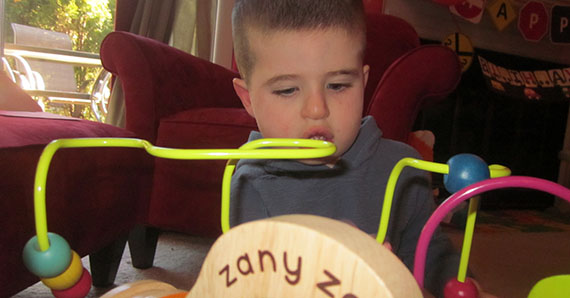
My son’s first in-home aid was a physical therapist. Not even two years old, Lucas struggled with movement. Bringing a professional into our home twice a week felt like an easy way to get ahead of the problem early. No one could say we weren’t tackling it head-on. Everything would be alright.
At least, that’s what I told myself. But “alright” turned out to be more complicated than I thought. Following that initial therapist, we realized we needed more – occupational therapy, special education, and speech. We did everything the experts recommended, trusting their guidance completely. And for the most part, that trust served us well.
But the more help we brought in, the more I felt lost. I followed every piece of advice, but instead of feeling confident, I was drowning in worry.
For those new to special needs parenting, I offer this one piece of advice. Listen to the words that these professionals tell you but temper them with your own personal wisdom. There is no catch-all for autism and these professionals are just people too. They have their own faults and also don’t know your kid the way you do. Between you, me, and the door, some of them don’t know much at all.

Enter Lucas’s first speech teacher. A bizarre and arrogant woman, she spent the bulk of his lessons on the floor gossiping to me about people she knew. There was little appropriate about this lady, but I figured she knew what she was talking about when she gave advice. After all, she’s the therapist, right?
Even when her advice seemed off, we still made every effort to follow it. To this day, following her words was one of the worst things I ever did for my son. Over a decade later, I still beat myself up for it.
She observed Lucas playing with light-up toys and stimming on activity boxes. The sight of it turned my stomach a bit because I could tell that his behavior lined up with what the media said was, autism. It was part of the “red flags” that had caused us to reach out for professional help in the first place.
This woman made it clear that we needed to get rid of any toys Lucas used to stim. The activity box, the brightly lit leapfrog toys, and everything else that he was currently obsessing about had to go. Who was I to argue? She was the pro, right?
So, a slew of Lucas’s favorite toys were donated to his preschool and I almost immediately felt terrible for it. It felt like cutting off his hands to stop him from biting his nails. Even now, remembering that time rips my heart out.
During Lucas’s most delicate time, I felt like I punished him for being himself. Thankfully, he was too young to really register it, but I wasn’t. I felt worse for doing that than anything else I had ever done in terms of his upbringing.
Spoiler alert – this stupid decision didn’t help “cure” him. The ban on so-called autism-provoking toys lasted longer than this therapist did. Less than two weeks after she was gone, Lucas’s preschool told me how much he loved a giant activity box they kept in his classroom. Dejected, I told them:
Yeah, I know. We donated that to you.
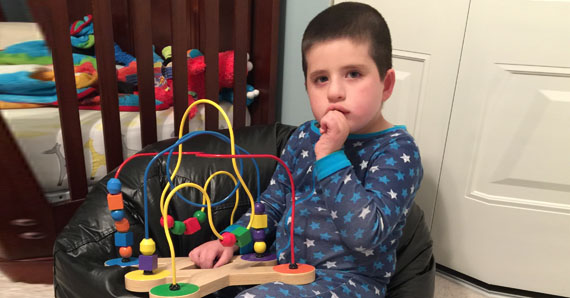
The obvious lesson here is to not take all the special-needs parenting advice from an “expert”, just because they claim to have the qualifications. Every child is unique, and your instincts should trump blind obedience. I knew my kid better than she did and now, all these years later, he still plays with a lot of those toys.
Fear tactics are huge for new parents and the thought that Lucas could stare at a light on a game or flick the pages of a board book terrified me. Why?
Um, well, because…uh, autism? I don’t know. It sounds silly now.
I mean, these toys weren’t causing self-harm. Sure, a light could strain his eyes but come on. There was nothing about that behavior that needed to be truly stopped. He does it today and he’s fine.
To me, those actions defined autism. I needed to stop him from acting in ways associated with being on the spectrum because, according to this woman and everything else I knew, that’s what autism was all about.
Well, Lucas is 13 and I can tell you more about what autism is all about. It’s about having my son come over, as I sit on the couch, and kiss the top of my head for no reason. It’s about being welcomed for bedtime stories long after most kids become “too cool” for their parents. It’s about kindness, innocence, and love on levels that I’ve never experienced before. It’s about feeling more than just wanted as a parent but needed every single day. It’s about being given the chance to have a relationship unlike any I’ve ever known before or will again.

The scary part about his early days of light-staring and toy-stimming wasn’t the actual stimming or staring. It was about what I thought it would lead to. In the end, it led to all the beautiful things I wrote in the paragraph above. What’s so scary about that?
Would I want my son to speak, play baseball, and become President of the United States? Sure. I want the best for him in all parts of life. But I wouldn’t want those things without the sense of love he exhibits today. That wouldn’t be my son. That wouldn’t be Lucas.
Do what you feel is best for your child, but never let fear make the choice for you. It’s not about taking things away or trying to change who they are. It’s about embracing them fully. The best thing you can do as a parent isn’t to force them into someone else’s idea of “alright” but to help them become the best version of their true self. That happens through love, acceptance, and understanding. And in the end, that’s what really makes everything alright.
READ NEXT:
My Non-Verbal Son is 13, Not “Mentally 6” – Here’s Why That Matters
Hear James discuss this post and more on Friday’s Hi Pod! I’m Dad Podcast!
NEW PODCAST EPISODES ARE POSTED EVERY FRIDAY ON HIPODIMDAD.COM!


 Hi Blog! I'm Dad.
You must be logged in to post a comment.